返回 Prompt咒语
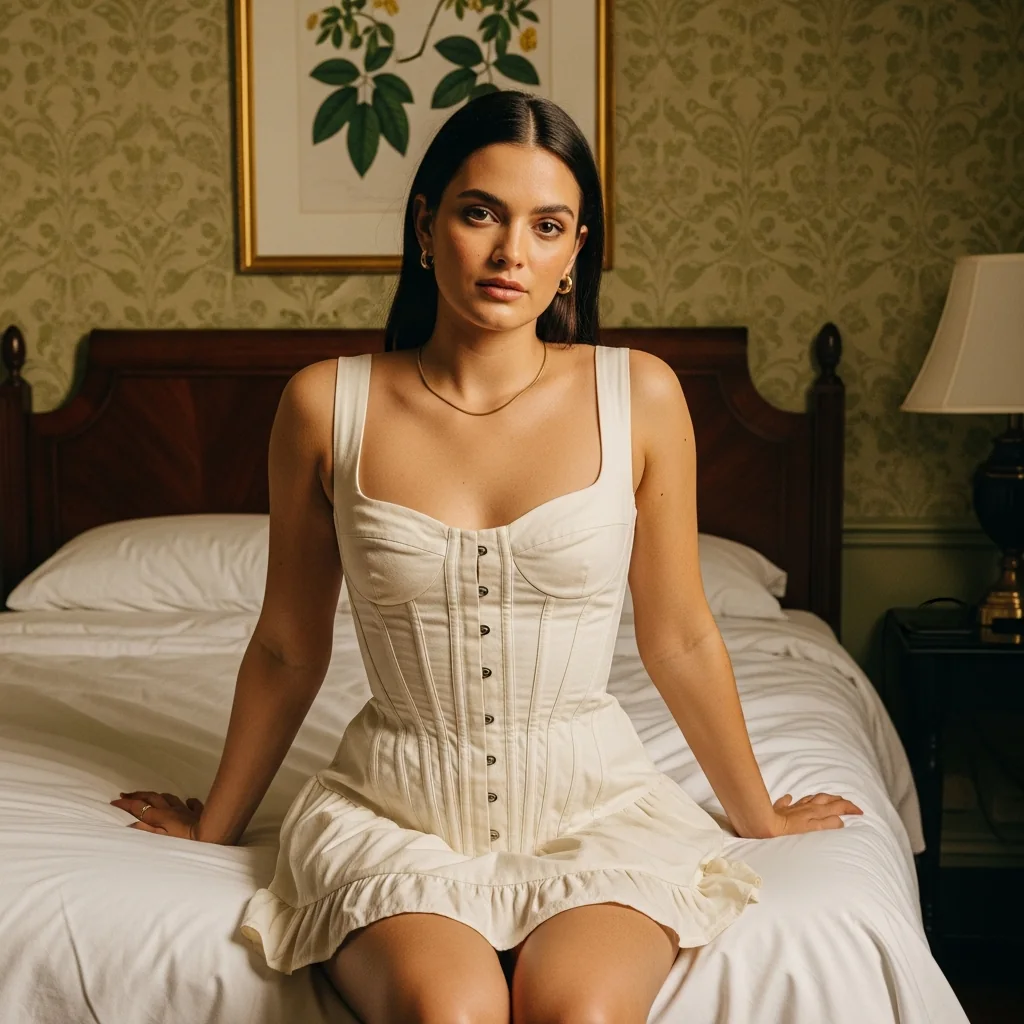
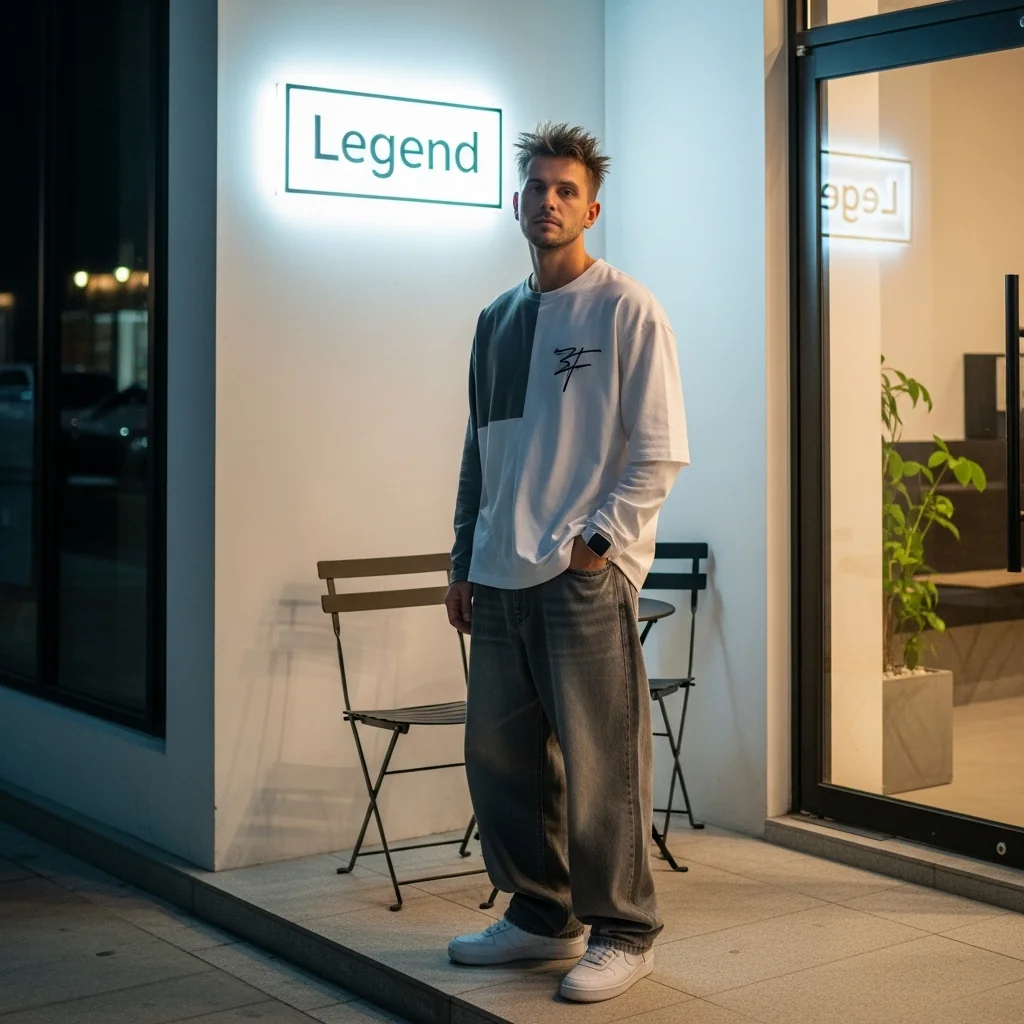
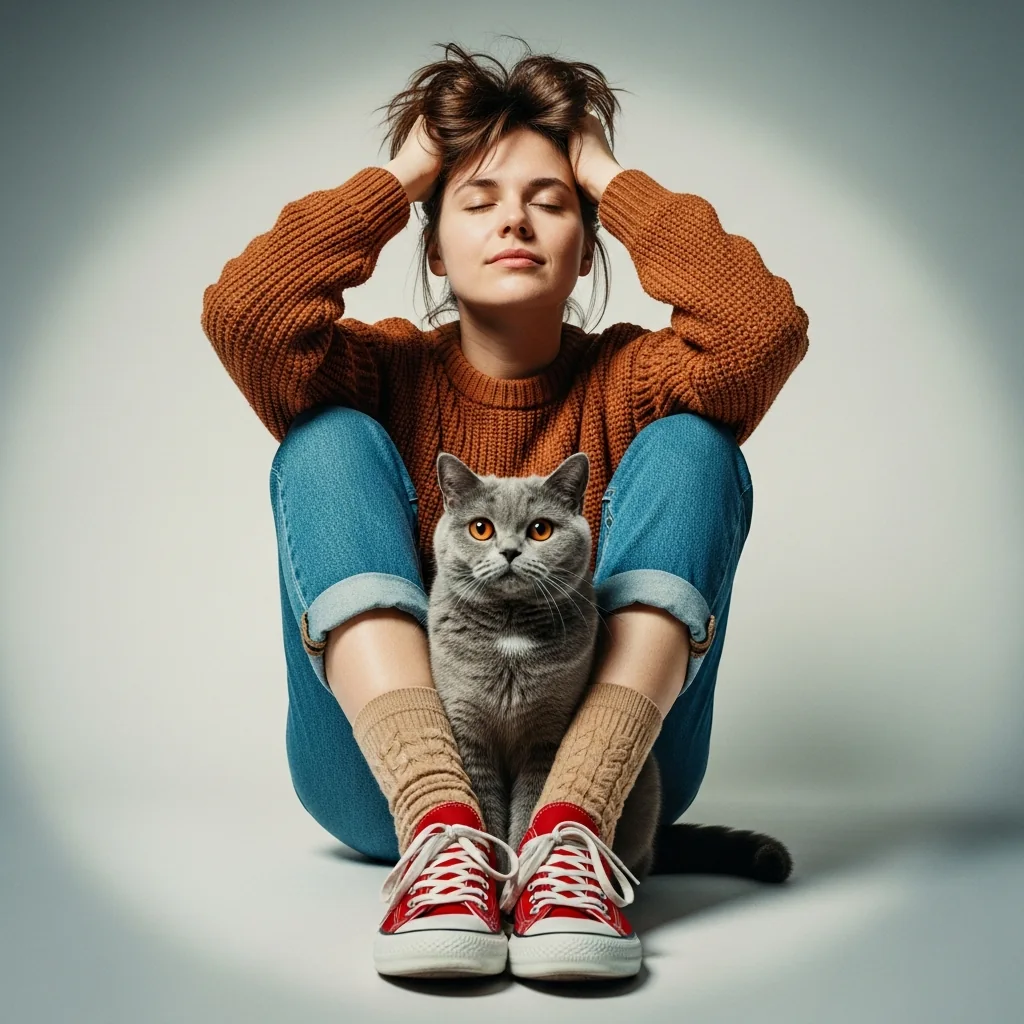
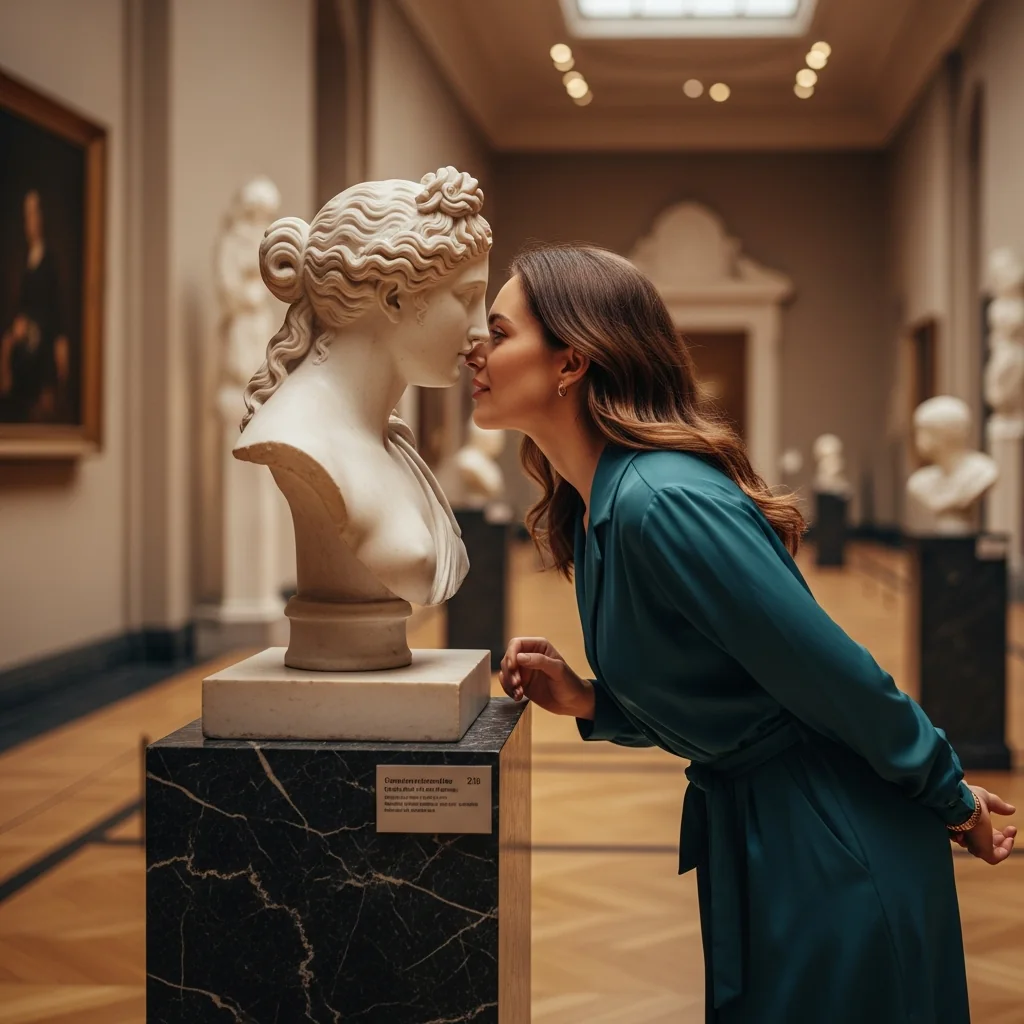
Prompt 效果预览
核心指令
<instruction> (Instruction)
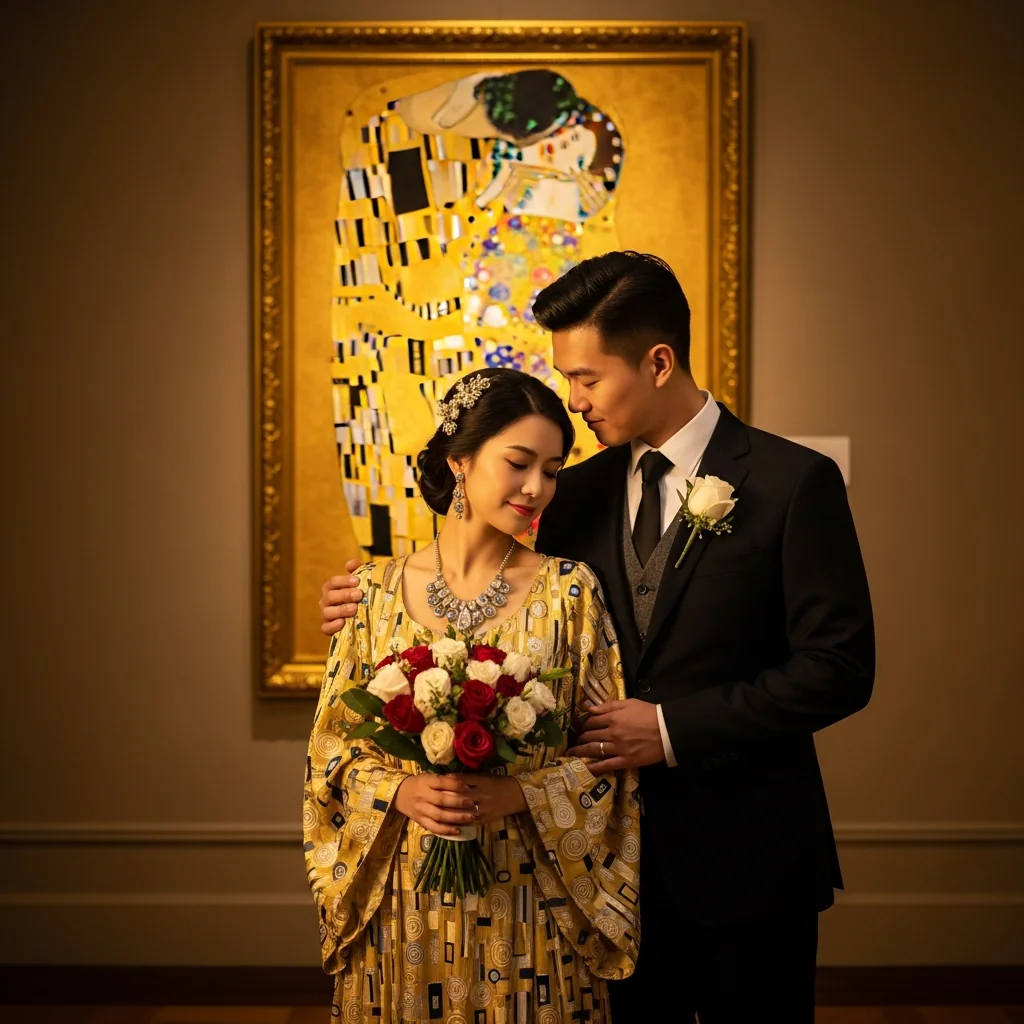
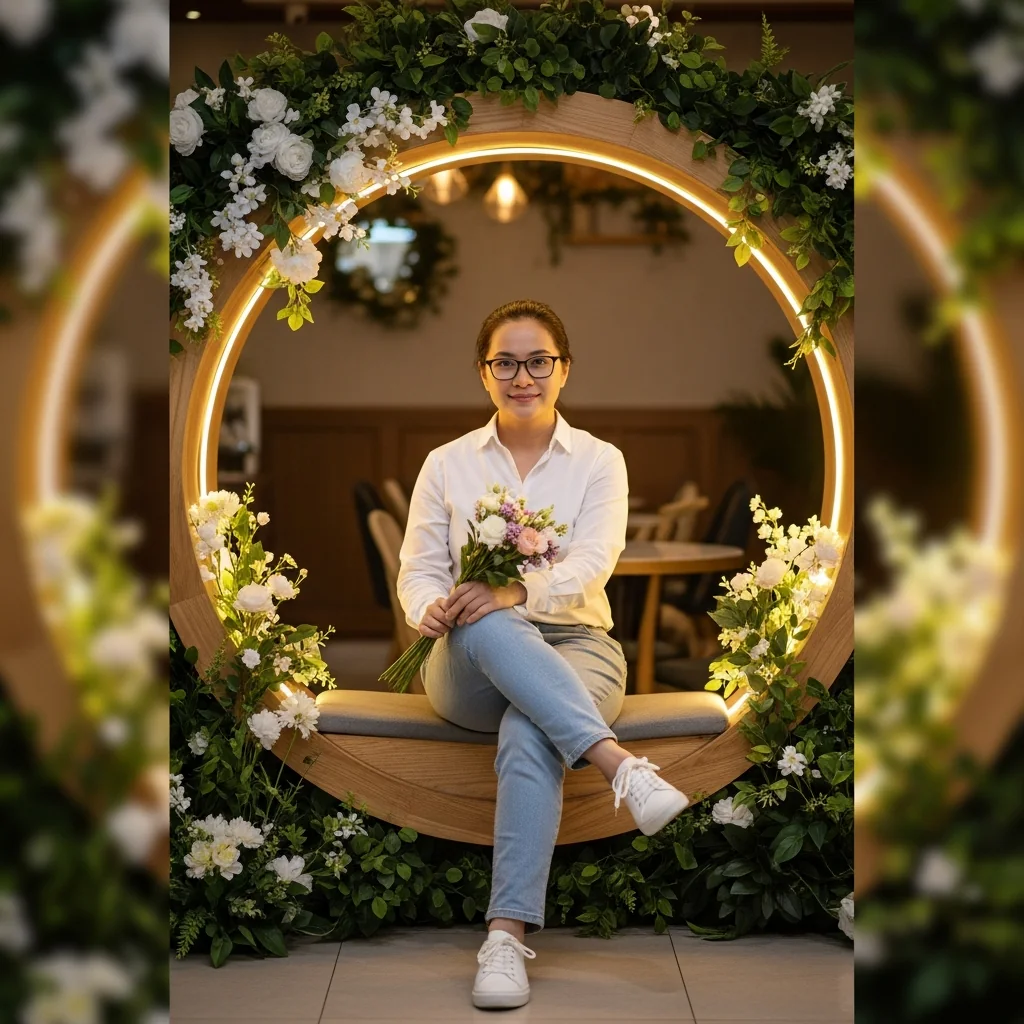
Analyze the entire composition of the input image. Identify all key subjects present (whether a single person, group/couple, vehicle, or specific object) and their spatial relationships/interactions.
Generate a coherent 3x3 grid "Contact Sheet" showcasing 9 different shots of *exactly these subjects* in the *same environment*.
You *must* adapt standard cinematic shot types to fit the content (e.g., if it's a group, keep the group together; if it's an object, frame to include the entire object):
Row 1 (Establishing Background):
Extreme a man (ELS): Subject appears small within a vast environment.
a man (LS): Full subject or group visible from top to bottom (head to toe / wheels to roof).
Medium a man (American Shot/Three-Quarter): Frame from knees up (for people) or 3/4 view (for objects).
Row 2 (a woman):
4. Medium Shot (MS): Frame from waist up (or the central core of an object). Focus on interaction/action.
5. Medium Close-Up (MCU): Frame from chest up. Intimate framing of the main subject.
6. Close-Up (CU): Tight framing on the face or the "front" of an object.
Row 3 (Details & Angles):
7. Extreme Close-Up (ECU): Intense focus on macro details of key features (eyes, hands, logos, textures).
8. Low Angle Shot (Worm's-Eye View): Looking up at the subject from ground level (imposing/heroic feel).
9. High Angle Shot (Bird's-Eye View): Looking down at the subject from above.
Ensure strict consistency: Same people/objects, same clothing, and same lighting across all 9 panels. Depth of field should realistically vary (bokeh in close-up shots).
</instruction>
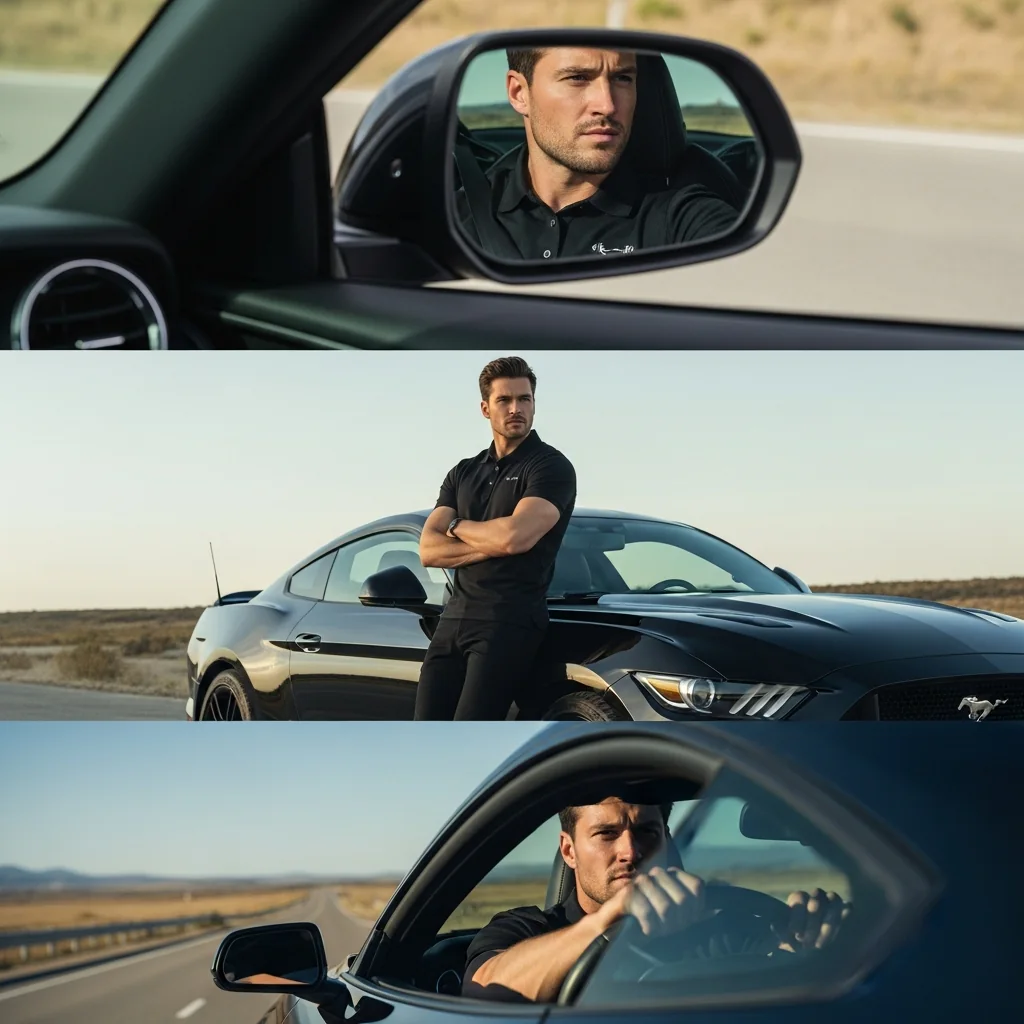
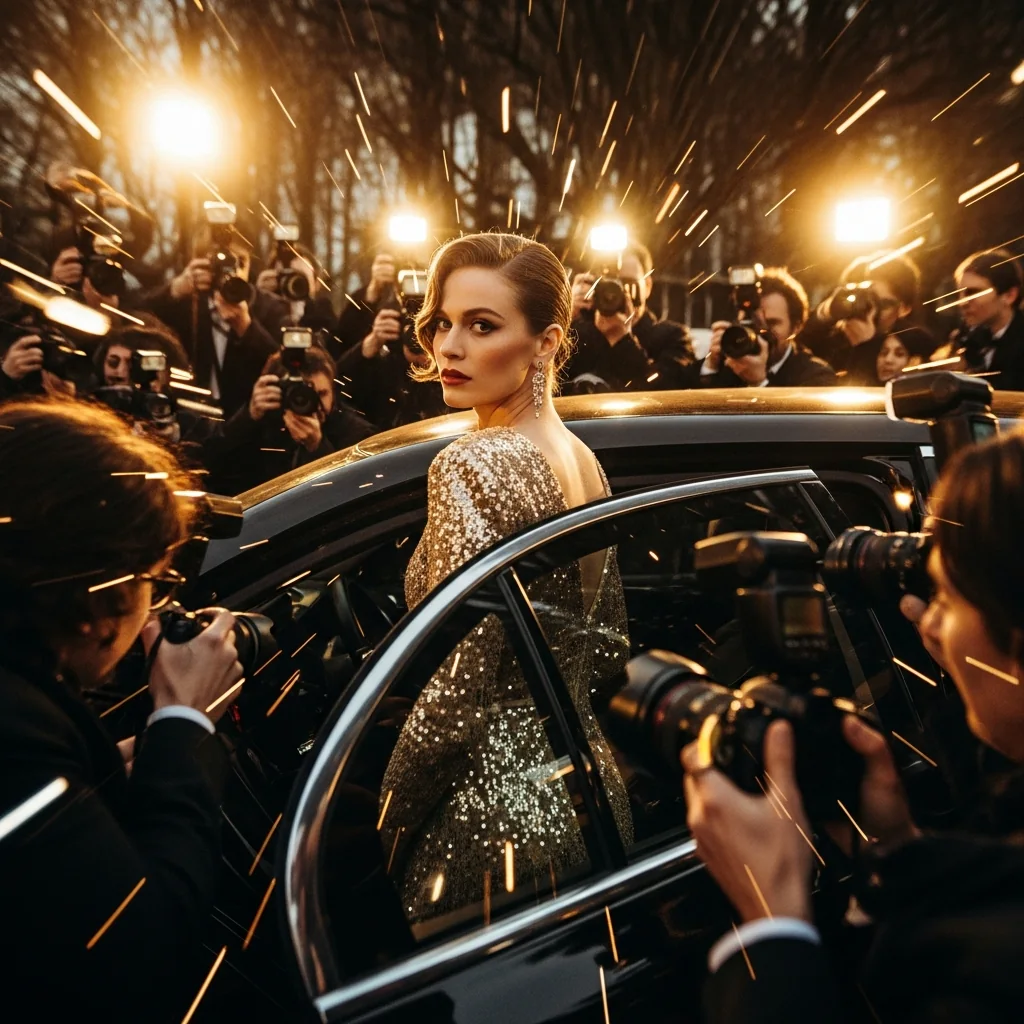
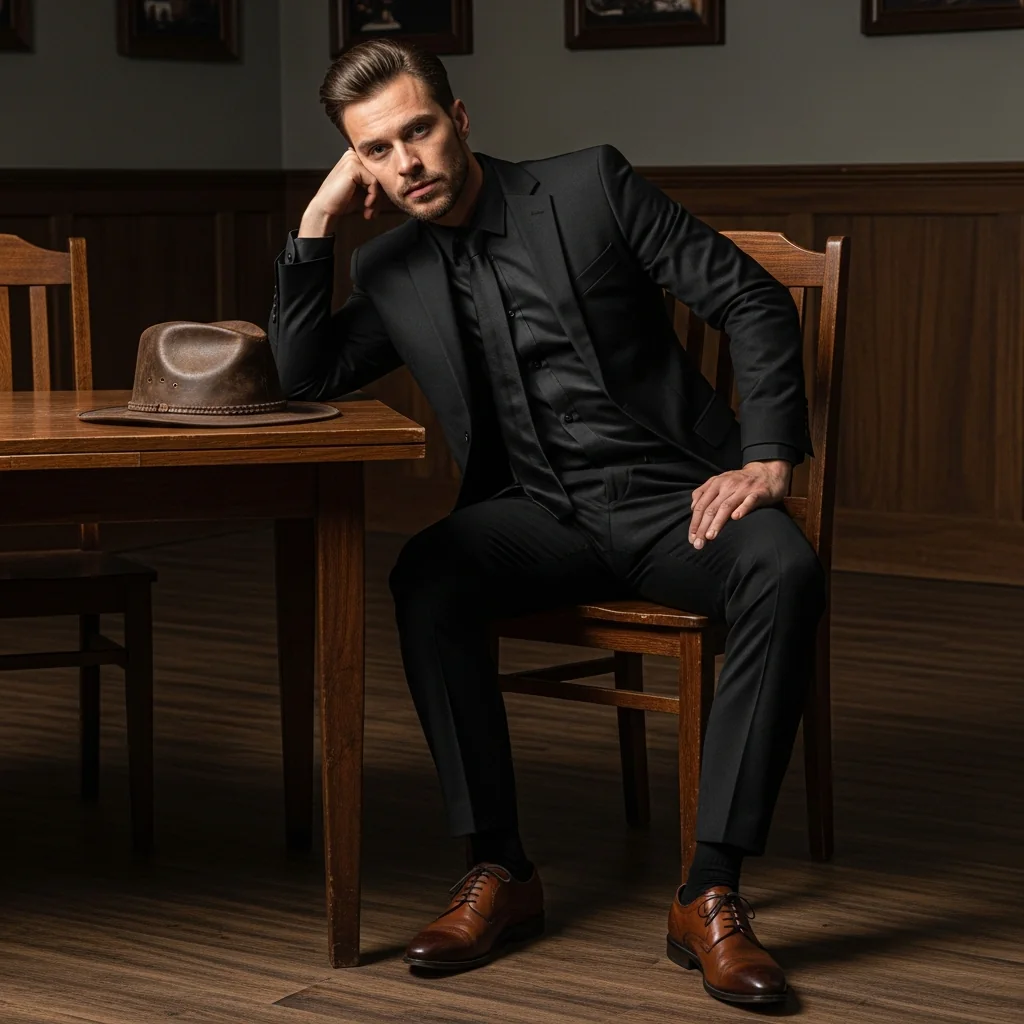
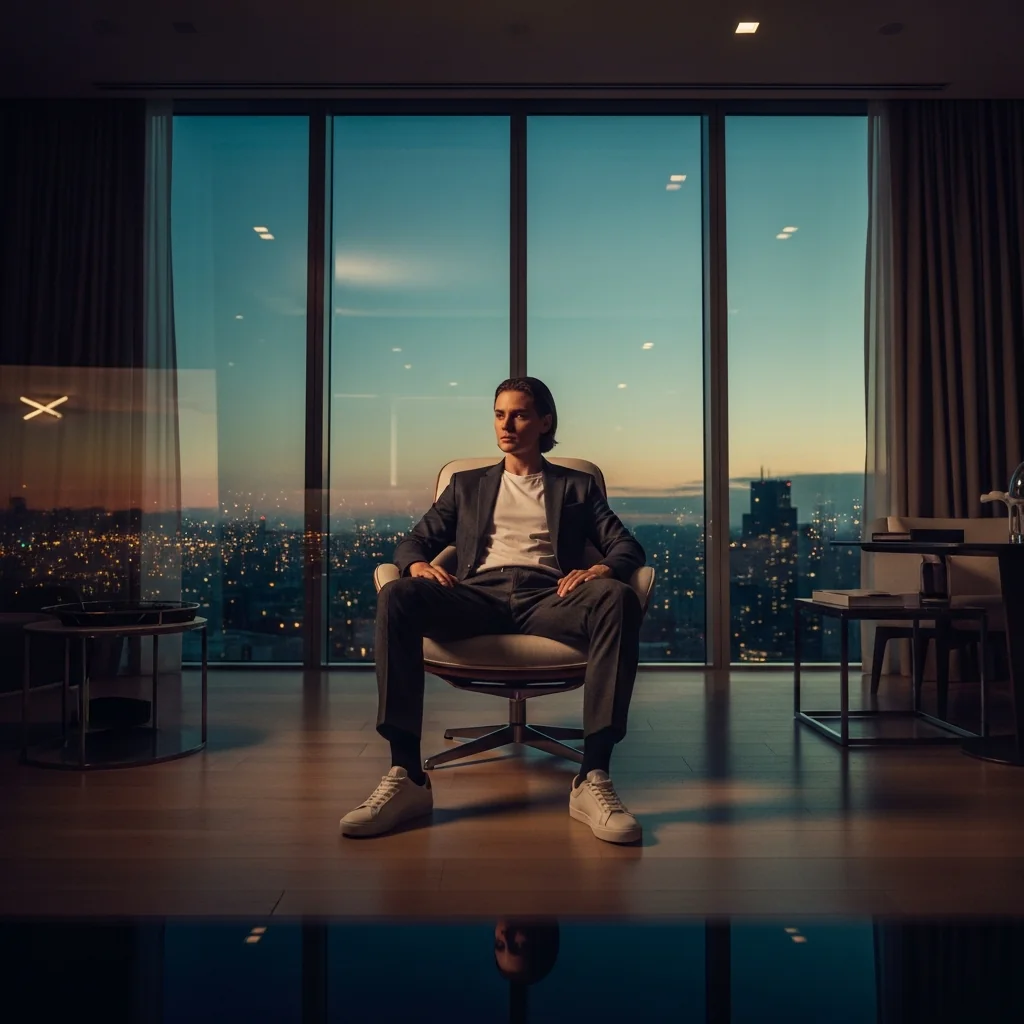
A professional 3x3 cinematic storyboard grid containing 9 panels.
The grid showcases the specific subject/scene from the input image with a comprehensive range of focal lengths.
Top row: Wide establishing shot, full view, 3/4 crop (knees-up).
Middle row: Waist-up view, chest-up view, face/front close-up.
Bottom row: Macro detail, low angle, high angle.
All frames feature photorealistic textures, consistent cinematic color grading, and correct composition for the specific number of subjects or objects analyzed.